Introduction
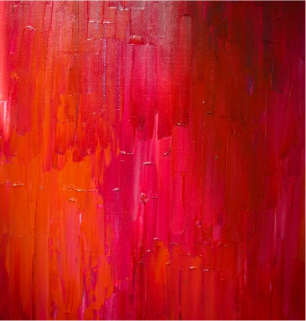
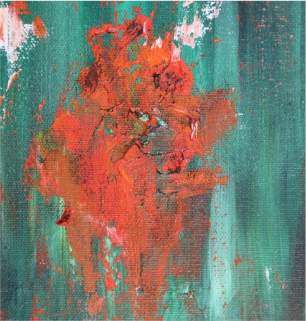
Modern art, with its origins in the late 19th and early 20th centuries, represents a significant shift from traditional forms and techniques. This article explores the key movements, influential artists, and cultural contexts that have shaped the evolution of modern art.
The Beginnings: Impressionism and Post-Impressionism
Impressionism marked the beginning of modern art, breaking away from academic standards and focusing on light, color, and everyday scenes. Artists like Claude Monet and Pierre-Auguste Renoir captured fleeting moments with loose brushwork and vibrant palettes. This movement paved the way for Post-Impressionism, where artists such as Vincent van Gogh and Paul Cézanne further experimented with form and color, laying the groundwork for future innovations.
Cubism and Abstract Art
The early 20th century saw the rise of Cubism, led by Pablo Picasso and Georges Braque. This movement fragmented objects into geometric shapes, challenging traditional perspectives. Cubism opened the door to abstract art, where artists like Wassily Kandinsky and Piet Mondrian explored non-representational forms, emphasizing color, line, and composition over realistic depictions.
Dada and Surrealism
In response to the chaos of World War I, the Dada movement emerged, rejecting traditional aesthetics and embracing absurdity. Marcel Duchamp’s readymades exemplified this radical departure from conventional art. Surrealism, led by Salvador Dalí and René Magritte, delved into the unconscious mind, creating dreamlike, fantastical images that challenged reality.
Abstract Expressionism and Pop Art
The mid-20th century saw Abstract Expressionism dominate the art scene, particularly in the United States. Artists like Jackson Pollock and Mark Rothko focused on spontaneous, expressive techniques, emphasizing the process of creation. In contrast, Pop Art, with figures like Andy Warhol and Roy Lichtenstein, celebrated popular culture and consumerism, blending high and low art.
Contemporary Developments
Modern art continues to evolve, with contemporary artists pushing boundaries and exploring new mediums. From digital art to installations, the modern art landscape is diverse and dynamic. Artists like Damien Hirst and Ai Weiwei challenge political, social, and cultural norms, reflecting the complexities of the modern world.
Conclusion
The evolution of modern art is a testament to the constant quest for innovation and self-expression. By breaking away from traditional constraints, modern artists have created a rich and varied tapestry that continues to inspire and provoke thought. As we look to the future, modern art remains a vital and ever-evolving field, reflecting the changing landscapes of society and culture.